Let me start with a confession: I did not always respect the pickle.
There, I said it.
When I was younger, I treated pickled vegetables like that one quiet cousin at family parties—polite, present, but never the star of the show. Little did I know they were secretly holding the whole bánh mì universe together like crunchy little gravity anchors.
If you’ve ever wondered what are the pickled vegetables in bánh mì or why every bánh mì worth its crunchy baguette absolutely MUST have them, you’re in the right place. Consider this your slightly chaotic, mildly obsessive, deeply heartfelt love letter to the crunchy, tangy heroes that make a bánh mì… well, a bánh mì.
And yes, if you’ve read our Anatomy of a Perfect Bánh Mì blog, you already know I have strong sandwich opinions. But today, we’re zeroing in on the ingredient that rarely gets a spotlight.
Spoiler: It deserves one.
So… What Are the Pickled Vegetables
in a Bánh Mì?
Alright, class, gather ‘round. Time to answer the big Banh Mi question of the day:
What are the pickled vegetables in bánh mì?
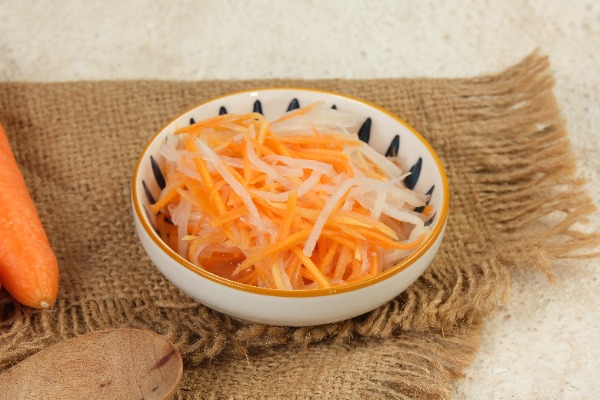
Say hello to đồ chua, the iconic duo of pickled daikon radish and carrots, cut into matchsticks and soaked in a gentle brine that’s equal parts sweet, tangy, and refreshing. If vegetables could have theme songs, đồ chua would enter the chat to the sound of a bright, celebratory horn section.
Here’s the breakdown:
- Daikon: Mild, juicy, slightly peppery. It’s the Beyoncé of the mix (steady, reliable, always giving).
- Carrot: Sweet, crunchy, optimistic. The Ariana Grande of the pickle world (bright, energetic, and hard not to love).
- Together they are đồ chua, a veggie power couple. Tangy, balanced, crunchy, and, yes, slightly dramatic in the best way.
Their job?
To cut through the richness of meats and spreads, wake up your taste buds, and bring that signature zing your mouth didn’t know it was waiting for.
So if you’ve ever asked, “What goes in bánh mì?” or “Why does mine taste incomplete?” check your sandwich. Then check for the đồ chua. If it’s missing, you likely found your answer.
Why Pickled Vegetables Matter More Than You Think
Let me put it this way: eating a bánh mì without pickled vegetables is like going to a concert where the band forgets the drummer. Sure, you can bob your head to the melody, but the magic? The energy? The oomph? Gone.
Pickled vegetables bring:
1. Crunch
That snappy, satisfying bite.
The kind that makes you close your eyes and go, “Oh, that’s the stuff.”
2. Brightness
Proteins like pork belly, honey grilled pork, beef, or tofu bring richness.
Đồ chua slices right through that richness like a tiny vegetable superhero.
3. Balance
Sweet meets savory. Tangy meets creamy. Fatty meets fresh.
It’s basically couples therapy, but for your sandwich.
4. Structure
Listen, nobody wants a soggy bánh mì. The pickled veggies help prevent that. It’s… science. Probably.
And yes, I know I sound passionate.
But when you work in a kitchen long enough, you learn that the smallest things often make the biggest difference. A teaspoon of seasoning. A fresh herb. A perfect pickle.
This is why, at Lotus Banh Mi, our approach is modern Vietnamese cooking done from scratch, and đồ chua is one of the first things we prepare each day. Because freshness isn’t a vibe; it’s a lifestyle.
The Cultural Backstory (Short & Sweet)
Don’t worry, we’re not diving into a dissertation on Vietnamese culinary history. (If that’s what you want, we’ve got you covered in our Roots of Bánh Mì blog.)
But to understand why pickled vegetables matter, you should know this:
Vietnamese cuisine is built on balance.
When I say built, I mean that the flavor is the foundation on which it’s all crafted. When looking to perfect a banh mi or pho, one might say, “if this dish isn’t a harmony of flavors, what are we even doing here?”
Pickling was a clever way to preserve vegetables in warm climates long before refrigerators were a thing. But it also became a signature culinary technique that adds brightness, acidity, and contrast to savory dishes.
Think of đồ chua as tradition meeting practicality meeting deliciousness.
Plus, there’s something inherently fun about pickles. They’re cheerful. They’re colorful. They’re bursting with personality. They’re the kind of ingredient that shows up to the party early and helps the host set up.
And truly, would we even recognize a bánh mì without that streak of bright orange and white peeking through the sandwich layers like confetti?
Probably not.
Why They’re the Unsung Hero of the Bánh Mì
Let’s be honest: when people talk about bánh mì, they usually rave about the pork belly, the sunny-side beef, the house mayo, the baguette that could double as a musical instrument because of how loudly it crackles. And yes, I agree! All of those absolutely deserves their moment.
But the pickled vegetables?
They’re the quiet geniuses in the background, pulling the strings and making everyone else look good.
If the protein is the lead vocalist, đồ chua is the drummer keeping the whole performance from turning into a chaotic open mic night. Without it, the sandwich becomes heavy, flat, and oddly joyless, like someone pressed “mute” on half the flavor.
Here’s what happens with pickled vegetables:
- The fattiness of pork belly becomes balanced, not overwhelming.
- The sweetness of honey grilled pork lands softly instead of loudly.
- The creaminess of mayo suddenly makes perfect sense.
- The baguette’s crispness has a worthy co-star.
Here’s what happens without them:
Your sandwich tastes like it forgot to get dressed before leaving the house.
Every component of a bánh mì has a job, but the pickled vegetables do the emotional labor of tying everything together, lightening the mood, and making each bite feel bright, satisfying, and wonderfully addictive.
And trust me, after years behind the counter watching customers take that first bite, I’ve learned this truth:
the crunch is what makes their eyes widen. (In the best way!)
The pickles do that. Always.
The Modern Bánh Mì, the Chicago Twist & Lotus’s Version
As bánh mì made its way across oceans and into American cities, it evolved. Sometimes more subtly, sometimes more dramatically. Portions got bigger, flavors bolder, and fillings more adventurous. In Chicago, especially, a city that loves its layered, flavorful, sauce-forward sandwiches, the bánh mì found a natural fanbase.
Chicagoans understand crunch.
This is the city that looked at hot beef sandwiches and said, “Needs more pickled vegetables,” then invented giardiniera like it was no big deal. So when they meet đồ chua, it’s pretty much love at first bite, like a cross-cultural crunch romance.
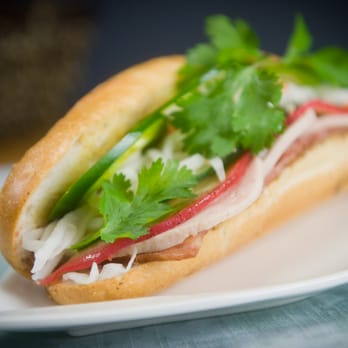
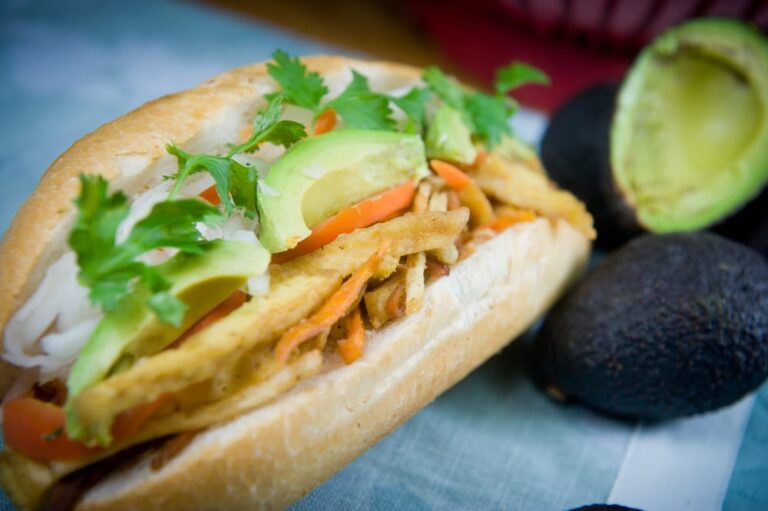
At Lotus Banh Mi, our modern Vietnamese approach means everything is prepared from scratch daily, including our pickled daikon and carrots. Our đồ chua isn’t overly sour or aggressively sweet. It’s balanced, lively, and intentionally crafted to complement every protein on our menu, from the rich Belly Classic to the bright and zesty Ginger Chicken.
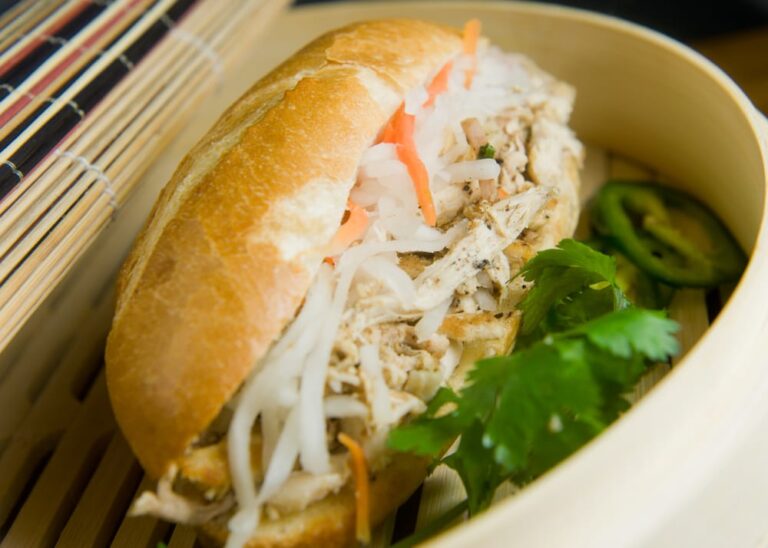
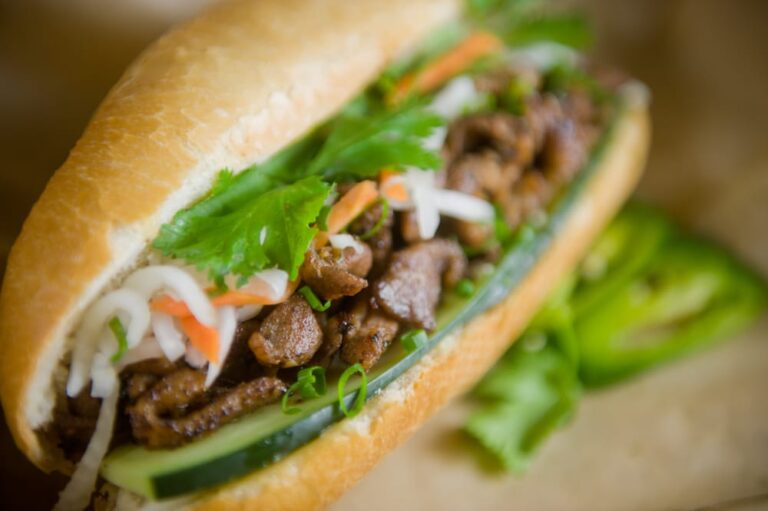
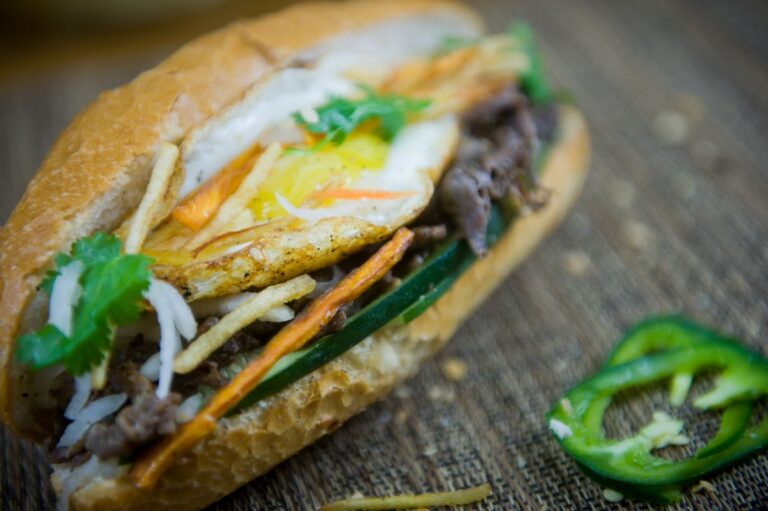
And here’s a fun little behind-the-scenes insight:
Whenever we prepare large catering orders (yes, this is your gentle reminder that we cater), the pickled vegetables are always the first thing to vanish from the prep table. Everyone tries to sneak a taste. It’s fine. We pretend not to see it.
If you want to experience how all the parts of a bánh mì come together, you can hop over to our Anatomy of a Perfect Bánh Mì blog after this. But spoiler alert: the pickled veggies play a starring role there, too.
How to Know Your Pickled Veggies Are Top-Tier
Let’s say you’re holding a bánh mì in your hands. Maybe one you made, maybe one from a place you’re trying for the first time, maybe one you impulsively bought after reading this blog because you suddenly needed bánh mì in your life. (Relatable.)
How do you know your pickled vegetables are the real deal?
1. They should snap, not squish.
If your đồ chua feels like it’s auditioning for the role of “overcooked noodle,” something has gone terribly wrong.
2. The colors should be bright, not tired.
Healthy daikon is white, not sad-beige.
Carrots should look enthusiastic, not like they’ve been through something emotionally difficult.
3. The flavor should be balanced.
Too sour? It overpowers the sandwich.
Too sweet? It tastes like vegetable candy.
Too salty? Now you’re just confused.
4. The aroma should be clean and fresh.
Good pickles smell bright, not funky.
We’re going for “zing,” not “this smells sketchy”
At Lotus Banh Mi, we take this seriously because when you’re building something as deceptively simple as a bánh mì, every ingredient has to show up ready to perform. And đồ chua performs like it’s aiming for a standing ovation.
In Praise of the Pickle
So, after all this, why are pickled vegetables the unsung hero of the bánh mì?
Because they’re the glue, the spark, the contrast, the crunch, the refresh button, the flavor mediator—the thing that makes every bite feel like a tiny celebration. Without them, it’s just a sandwich. With them, it’s bánh mì.
So the next time someone asks you what are the pickled vegetables in bánh mì or why they matter so much, feel free to scroll them right over here. Or better yet, bring them to Lotus Banh Mi and let the sandwich do the explaining.
And if you ever find yourself planning an office lunch, family gathering, or any event where people deserve a little joy?
Well… let’s just say our catering team knows exactly how to bring the crunch.
Respect the pickle.
Always.