
Few dishes inspire as much devotion (and as many debates) as phở and ramen. Both are steaming bowls of comfort built around noodles, broth, and a sense of cultural pride. Yet behind their apparent similarities lie centuries of culinary evolution, migration, and local adaptation. Comparing them side by side is not a contest (no matter what people on Reddit say!), but a way to appreciate two distinct food philosophies: Vietnam’s fragrant clarity versus Japan’s layered richness.
So let’s get into what the differences are between Phở and Ramen!
Origins: From Hanoi Streets to Tokyo Counters
Phở: Vietnam’s national comfort
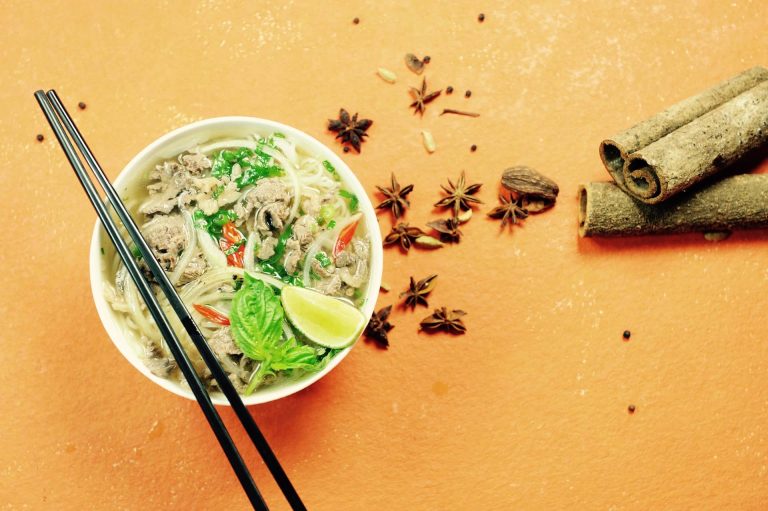
Phở emerged in northern Vietnam in the early 20th century, around Hanoi and Nam Định, when French colonial influence reshaped the country’s foodways. The introduction of beef, once used primarily for labor animals, led Vietnamese cooks to experiment with leftover bones and offcuts. Simmering these with rice noodles, herbs, and spices gave birth to what we now know as phở.
The French influence runs deep. The name itself may derive from feu, as in pot-au-feu (a French beef stew). The clear, patiently simmered stock and the use of aromatics like onion and ginger resemble the French “white stock” or marmite. Yet the result is unmistakably Vietnamese: light, herbal, and perfumed with star anise, clove, and cinnamon.
After the partition of Vietnam in 1954, phở traveled south and evolved.
- Northern phở (Phở Bắc) remains subtle, clear, and aromatic — focused on broth purity.
- Southern phở (Phở Nam) tends to be sweeter and more customizable, often served with a platter of herbs, bean sprouts, lime, and sauces.
This divide shapes how phở is eaten today: it’s a dish finished at the table, where the diner becomes co-creator. Adding herbs, chilies, and sauces personalizes each bowl, a tradition rooted in its adaptable, communal street origins.
Ramen: Japan's Layered Evolution
Ramen, meanwhile, began as a Chinese import of simple wheat noodles in broth until Japan transformed it into a national phenomenon. Its earliest form, shina soba (“Chinese noodles”), appeared in the late 19th century, but it wasn’t until post-World War II urbanization that ramen truly took off as a quick, hearty, and inexpensive street food.
Each region developed its own signature bowl—Hakata’s creamy pork tonkotsu, Sapporo’s miso, Tokyo’s soy-based shoyu—and the dish became a canvas for local ingredients.
Ramen’s structure revolves around five core components: noodles, broth, tare (seasoning concentrate), flavored oil, and toppings. And all must reach a balanced harmony.
Today, ramen occupies every tier of Japanese dining, from vending machine counters to Michelin-starred restaurants. Its street food origins, however, still define its efficiency and consistency: ramen is served ready to eat, not to modify.
Noodles: Texture, Feel, and Flavor
Though both dishes are noodle-based, the noodles couldn’t be more different.
Phở noodles
Phở uses rice noodles (bánh phở) that are flat, white, and smooth, made from rice flour and water. These noodles are soft, slippery, and absorbent, meant to gently intertwine with the broth rather than dominate it. Their delicacy contributes to phở’s light mouthfeel and its emphasis on broth clarity.
A few Vietnamese restaurants offer egg noodles (mì) as an alternative, but this is uncommon. Those who prefer a thicker, more resilient noodle or dislike the slickness of rice noodles might gravitate toward ramen’s texture instead.
Ramen noodles
Ramen noodles are made from wheat flour, water, salt, and kansui (an alkaline mineral solution that gives them their signature yellow hue and springy chew). The alkaline quality affects pH, altering gluten structure to produce a bouncy, elastic texture that holds up to rich broths.
Their density and chew create a tactile contrast — each slurp carries more broth, offering a more filling experience. This makes ramen naturally heartier, while phở maintains a lighter touch.
Ingredients: Harmony vs. Complexity
Both soups are intricate systems of ingredients, but their philosophies differ.
Phở’s composition
- Broth: Clear beef or chicken stock freshly made and simmered with charred onion, ginger, cinnamon, star anise, clove, and fish sauce.
- Proteins: Thinly sliced raw beef (cooked by the heat of the broth as it’s poured), brisket, tendon, or chicken.
- Toppings: Fresh herbs (Thai basil, cilantro), bean sprouts, lime, chili, hoisin, and sriracha, added by the diner according to their tastes.
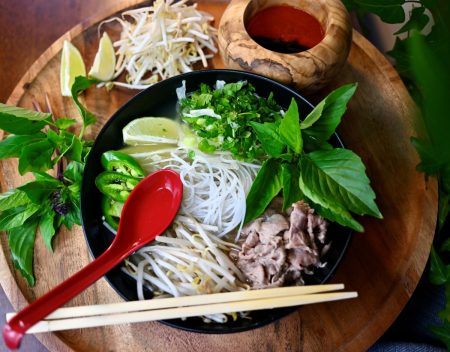
The result is a dynamic and interactive meal that evolves with every bite.
For me, I view my phở meal as a two-part experience. Upon arrival, I load up the bowl with bean sprouts, onions, other greens, and a squeeze of lime (I’ll add jalapenos or chilis if I’m feeling spicy that day). I give it a little mix and allow the bean sprout to soften just a bit before taking my chopsticks and masterfully lifting bites of beef, greens, and noodles to my mouth. In these bites, there are mixes of flavors and textures that are perfectly tailored for me.
But after all the hearty things have made it to my stomach, I enter into the second part: enjoying slurping the remaining broth and settling down as dinner conversations continue. The broth that’s left over is like my reward for all the goodness I worked on during the first part! Others at dinner with me usually take a slower method to their phở eating, enjoying spoonfuls of broth between bites, but this is the groove fallen into, and I love it.
Ramen’s composition
- Broth: Can be light or heavy with chicken, pork, seafood, or vegetable bases emulsified or clarified depending on style.
- Tare: A concentrated seasoning (miso, soy, or salt) added to define the soup’s core flavor.
- Oil: Flavored oils (garlic, scallion, sesame) provide aroma and surface sheen.
- Toppings: Chashu pork, ajitsuke tamago (marinated egg), bamboo shoots, nori, scallions, corn, or butter, depending on regional variety.
Ramen’s complexity lies in layering each component to be engineered for harmony and produce a dense, umami-forward experience.
Sodium Levels: A Salty Reality
|
Soup |
Average Sodium (per 16 oz serving) |
Why It’s Salty |
|
Phở |
~900–1,200 mg |
Broth seasoned lightly; flavor adjusted at table, not in pot |
|
Ramen |
~1,500–2,500 mg |
High concentration from tare, soy sauce, and seasoning oil |
Ramen’s modular composition (especially the tare) contributes to higher sodium. Phở, seasoned more gently, relies on herbs and acidity for brightness rather than salt for intensity.
Preparation: Simplicity vs. Engineering
Phở and ramen differ not just in flavor, but in how they’re built.
Phở
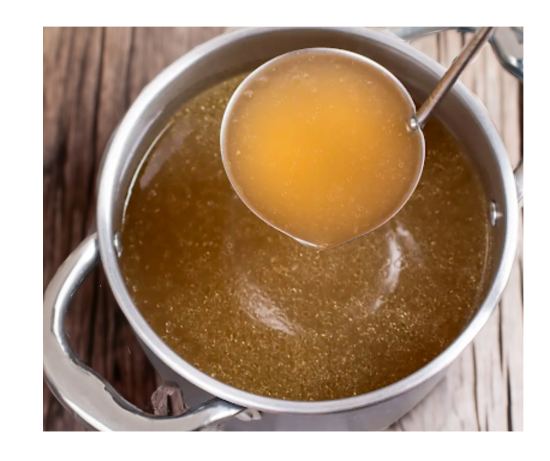
A phở broth can take 6–10 hours to perfect but involves few ingredients. Bones are blanched, then simmered cleanly with charred aromatics. Clarity is the goal; any cloudiness indicates over-agitation.
It’s akin to a French white stock, where refinement and patience matter more than complexity. The art lies in restraint: extracting depth without heaviness.
Ramen
Ramen, on the other hand, is culinary engineering. Each component (broth, tare, oil, noodle, toppings) is made separately and assembled in layers. A rich tonkotsu broth may simmer for 18 hours to emulsify marrow and fat. The tare and oil must balance salt and aroma precisely. This complexity makes ramen a chef’s playground, a dish of structure and calibration.
Variety in Style: Tradition and Transformation
When it comes to variety, ramen and phở travel very different paths.
Phở: Honoring Simplicity
Phở has remained remarkably consistent over time — a testament to its origins as a humble, accessible meal.
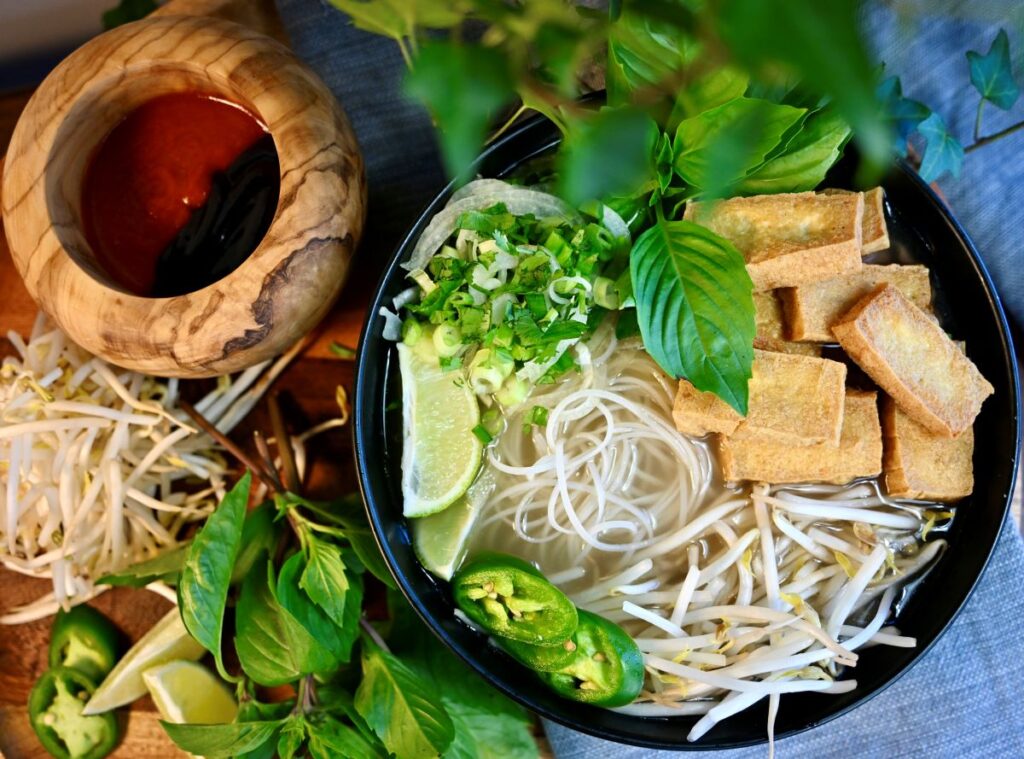
Historically, when ingredients like beef were scarce, cooks adapted: serving phở không người lái (“pilotless phở,” called so for its lack of a meat ‘piloting’ the soup during war tensions) or developing alternatives such as chicken (phở gà) or seafood phở. Today, you can find Vietnamese restaurants that will offer tofu phở as well!
These variations grew from necessity, not experimentation, keeping the dish grounded in simplicity and economy. Even today, the main distinctions are regional, northern vs. southern phở, differing mainly in sweetness, clarity, and garnish. Phở’s variety lies in the eater’s hands, not the chef’s; the customization happens at the table.
Ramen: Regionalism and Reinvention
Ramen, by contrast, thrives on diversity and innovation. Japan’s geography has produced dozens of distinct regional styles: miso-heavy Sapporo ramen, soy-forward Tokyo ramen, rich Hakata tonkotsu, and citrusy Shio ramen from Wakayama, to name a few.
Modern ramen chefs have expanded this even further, introducing vegan, seafood, curry, and even truffle ramen. Dipping ramen (tsukemen) and brothless ramen (mazemen) reflect ramen’s evolving experimentation.
Ramen is a living tradition, a dish constantly rewritten, while phở holds fast to its classic roots, finding identity in consistency and familiarity.
Eating at Home: Craft vs. Convenience
Cooking or enjoying these soups at home reveals another difference.
- Phở at home often involves simmering broth for hours, or shortcutting with stock bases and spices. Even then, it’s customary to assemble and season the bowl individually at the table.
- Ramen at home, on the other hand, has been revolutionized by instant ramen, a Japanese innovation from the 1950s. Instant noodles, seasonings, and freeze-dried toppings make ramen one of the world’s most accessible foods.
This contrast reflects their identities: phở as slow, communal craftsmanship, and ramen as quick, individual indulgence.
Where to Taste the Real Thing
If you’re exploring authentic bowls across the U.S., start with a few standouts:
Famous Phở Restaurants
- Phở 79 – Garden Grove, CA (James Beard Award winner; classic southern phở)
- Phở Bac – Seattle, WA (among the first phở restaurants in the U.S.)
- Lotus Banh Mi – Chicago, IL (boasting unique modern additions to classic dishes like pho and Banh Mi)
Famous Ramen Restaurants
- Ippudo – New York, NY (modern ramen with roots in Hakata tonkotsu tradition)
- Tsujita LA Artisan Noodle – Los Angeles, CA (famous for tsukemen dipping ramen)
- Santouka Ramen – Boston, MA (signature shio broth; mild and balanced)
Conclusion: The Tale of Two Soups
At first glance, phở and ramen are both bowls of noodles in broth, but in spirit, they embody two philosophies of comfort.
- Phở celebrates restraint, freshness, and balance — a dish meant to be shared, personalized, and savored slowly.
- Ramen thrives on depth, structure, and precision — an orchestrated performance of five components in harmony.
Neither is superior; both are profound reflections of their cultures. Together, they remind us that a bowl of noodles can hold warmth and flavor and history, identity, and heart.
If you simply must crown a victor in the soup competition of your heart, let your palate be the judge! The beauty of food is that it connects with each of us in different ways, every bowl and every bite offering a new experience for the senses and the heart. Here at Lotus Banh Mi, we are devoted to Vietnamese flavors, and that includes our beloved phở, but stepping out and indulging in a dish of a different asian culture is always a delight!